
Research
For nearly three decades, the International Tree Nut Council Nutrition Research & Education Foundation has been committed to supporting research on the health benefits of tree nuts. In this section, you will find information on the 12 major areas of research found below. Within each of these research areas, you will be able to access published abstracts (both industry and non-industry supported).
Areas of research
Allergy
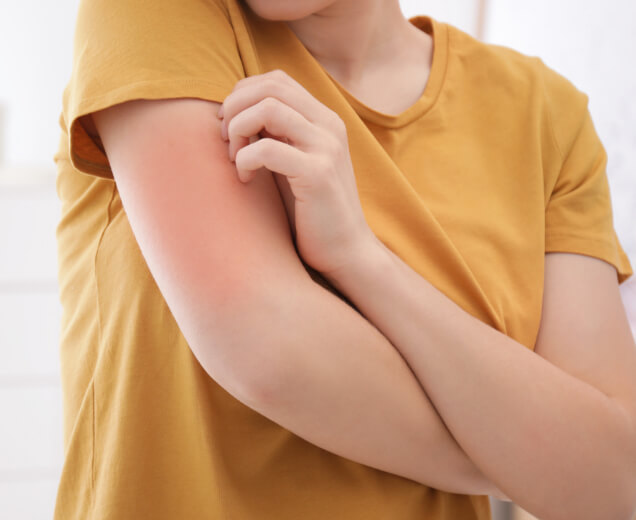
Allergy research on tree nuts
Food allergies affect approximately 11% of American adults, and eight foods account for a majority of reactions: milk, eggs, peanuts, tree nuts, soy, wheat, fish and shellfish. Tree nut allergy affects roughly 0.5 to 1% of the U.S. population. Although tree nut allergy typically starts in childhood and persists throughout life, approximately 10% of individuals may outgrow this allergy over time.
An allergy to one tree nut does not necessarily mean an individual is allergic to other tree nuts, but certain tree nuts are closely related, including cashew with pistachio and pecan with walnut. Even though individuals allergic to tree nuts are often allergic to more than one type of tree nut, it may be appropriate and safe to consume certain tree nuts while avoiding others. Moreover, although 30% of peanut-allergic individuals are also allergic to tree nuts, having a tree nut allergy does not necessarily mean an individual is allergic to peanuts. Individuals with tree nut allergy can also typically consume seeds without difficulty, such as sesame, sunflower and pumpkin.
Suspected food allergies should always be evaluated, diagnosed and treated by a qualified medical professional, such as a board-certified allergist.
—
Source: Food Allergy Research & Education (FARE) and the American Academy of Allergy, Asthma & Immunology (AAAAI).
Link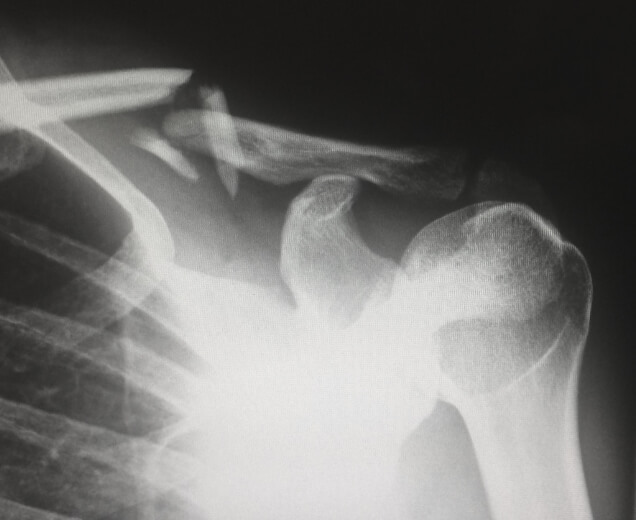
Bone Health
Bone health research on tree nuts
Strong bones are essential for good health. Besides supporting the body and allowing it to move, bones protect the brain, heart, and other organs from injury. A healthy diet and plenty of exercise can help keep bones healthy. Without these, bones can become weak and even break. Besides being painful, broken bones (or fractures) can also cause long-lasting health problems.
The most common type of bone disease is osteoporosis, which causes bones to become weak and brittle — so brittle that a fall or even mild stresses such as bending over or coughing can cause a fracture. People with osteoporosis most often break bones in the wrist, spine, and hip. About 54 million Americans either have osteoporosis or low bone mass, placing them at increased risk for the disease. Studies suggest that approximately one in two women and up to one in four men age 50 and older will break a bone due to osteoporosis.
Fortunately, every day the body breaks down old bone and puts new bone in its place. As people get older, bones break down more bone than they put back. It is normal to lose some bone with age. But, without a healthy diet and exercise, too much bone loss can lead to osteoporosis.
Preliminary research is now looking at the potential benefits of tree nut consumption, as part of a healthy diet, on bone health.
—
Source: The National Osteoporosis Foundation
Link
Cancer
Cancer research on tree nuts
The effect of nut consumption on cancer is a relatively new area of research. Tree nuts contain a wide range of nutrients with recognized benefits to human health including unsaturated fats, protein, vitamins (i.e., vitamin E, folate and niacin), minerals (i.e., magnesium, calcium and potassium) and phytochemicals—all of which may offer anticarcinogenic, anti-inflammatory and antioxidant properties.
In a recent study, researchers concluded that there was an inverse association of dietary nut consumption with cancer risk, especially for cancers of the digestive system [1]. A number of studies have been conducted to date looking at the effect of nuts on colorectal cancer, which affects both men and women, and is the second leading cause of cancer-related deaths in the United States and third most common cancer worldwide. In one study, researchers found an association between high frequency of nut consumption and reduced risk of colorectal cancer [2]. In another study [3], colon cancer patients who consumed nuts had a significant decrease in cancer recurrence and death.
While nut consumption is associated with reduced total and certain cause-specific mortality in general populations, its association with cancer outcomes among long-term breast cancer survivors remains unknown. Researchers in one study [4] examined the associations of nut consumption (including tree nuts and peanuts) at 5-years postdiagnosis, with overall survival and disease-free survival among 3,449 long-term breast cancer survivors from the Shanghai Breast Cancer Survival Study. The data showed that nut consumption was associated with better survival, particularly disease-free survival, among long-term breast cancer survivors.
At Harvard, researchers looked at the association between nut consumption and prostate cancer risk and mortality among 47,299 men. While nut consumption was not associated with a reduced risk of prostate cancer, men who had prostate cancer and consumed tree nuts five or more times per week after diagnosis, had a significant 34 percent lower risk of overall mortality than those who consumed nuts less than once per month [5].
While more research on tree nuts and cancer is needed, the research that has been done to date is very promising.
[1]Long, J., Z. Ji, P. Yuan, T. Long, K. Liu, J. Li, L. Cheng, 2020. Nut consumption and risk of cancer: A meta-analysis of prospective studies. Cancer Epidemiol Biomarkers Prev. 29(3):565-573.
[2] Lee, J., A. Shin, J.H. Oh, J. Kim, 2018. The relationship between nut intake and risk of colorectal cancer: a case control study. Nutrition Journal. 17:37 https://doi.org/10.1186/s12937-018-0345-y.
[3] Fadelu, T., S. Zhang, D. Niedzwiecki, X. Ye, L.B. Saltz, R.J. Mayer, R.B. Mowat, R. Whittom, A. Hantel, A.B. Benson, D.M. Atienza, M. Messino, H.L. Kindler, A. Venook, S. Ogino, K. Ng, K. Wu, W. Willett, E. Giovannucci, J. Meyerhardt, Y. Bao, C.S. Fuchs, 2018. Nut consumption and survival in patients with stage III colon cancer: results from CALGB 89803 (Alliance). J Clin Oncol. 36(11):1112-1120.
[4] Cong, W., K. Gu, F. Wang, H. Cai, W. Zheng, P. Bao, X.-O. Shu, 2022. Nut consumption in association with overall mortality and recurrence/disease-specific mortality among long-term breast cancer survivors. International Journal of Cancer.doi.org/10.1002/ijc.33824.
[5]Wang, W., M. Yang, S.A. Kenfield, F.B. Hu, M.J. Stampfer, W.C. Willett, C.S. Fuchs, E.L. Giovannucci, Y. Bao, 2016. Nut consumption and prostate cancer risk and mortality. Br J Cancer. 115(3):371-374.
Link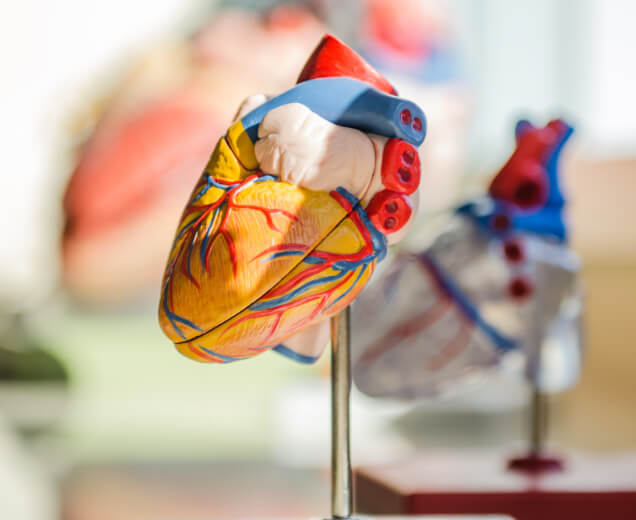
Cardiovascular Health
Cardiovascular health research on tree nuts
Cardiovascular health is probably the most researched area of tree nuts and health. Researchers have been studying the potential health benefits of nuts on cardiovascular disease since 1992. Specifically, they have been looking at the effect of nut consumption on reduced incidence of coronary heart disease, high blood pressure, inflammation, and stroke.
Tree nuts are a nutrient-dense whole food, packed with essential vitamins, minerals, phytochemicals, protein and fiber. In addition, they are all cholesterol-free and contain mostly unsaturated, or “good” fats, making tree nuts a heart-healthy food.[1]
Cardiovascular disease (CVD) and ischemic heart disease (IHD) are leading causes of mortality worldwide and nut consumption has been associated with reduced risk. Researchers at Loma Linda University examined the associations between total nut (tree nuts and peanuts) and tree nut intake with CVD and IHD mortality, and to explore the potential benefits of substituting nuts for less heart-healthy foods.[2] They followed 80,529 Adventist participants for an average of 11 years. Substitution analysis revealed that replacing unprocessed red meats and processed meats with total nuts and tree nuts was associated with lower risk of CVD and IHD mortality. And higher intakes of total nuts and tree nuts were associated with significantly lower risk of CVD and IHD mortality. These findings support dietary recommendations to increase nut consumption as part of a heart-healthy diet.
In 2003, the U.S. Food and Drug Administration approved one of the first qualified health claims for nuts and heart disease: “Scientific evidence suggests but does not prove that eating 1.5 ounces per day of most nuts as part of a diet low in saturated fat and cholesterol may reduce the risk of heart disease.” [3]
—
[1] Bitok, E., J. Sabaté, 2018. Nuts and Cardiovascular Disease. Progress in Cardiovascular Diseases. 61(1):33-37.
[2] Suprono, M.S., D.J. Shavlik, F.M. Butler, J. Sabaté, G.E. Fraser, M.J. Orlich, 2025. Nut consumption and risk of cardiovascular disease and ischemic heart disease mortality: The Adventist Health Study 2. J Nutr. https://doi.org/10.1016/j.tjnut.2025.10.022
[3] Food and Drug Administration (FDA), Qualified Health Claims: Letter of Enforcement Discretion – Nuts and Coronary Heart Disease, Docket No 02P-0505, Food & Drug Administration, Washington, DC, 2003.
Link

Cognitive Health
Cognitive health research on tree nuts
With an aging population there is an increase in the frequency of age-related diseases, including Alzheimer’s disease, the most common type of dementia. Alzheimer’s is the seventh leading cause of death in the United States [1] and the fifth leading cause of death among adults aged 65 years and older.[2]
Research suggests that diet may make a difference in cognitive performance. Oxidative stress is believed to play a major role in cognitive decline and neurodegenerative disorders. By counteracting oxidative stress, it is possible that antioxidant-rich foods, such as nuts, might provide protection from neurodegenerative diseases.[3]
[1] 2025 Alzheimer’s disease facts and figures. Alzheimer’s Dement. 2025 Apr 29;21(4):e70235. doi: 10.1002/alz.70235. PMCID: PMC12040760.
[2] Matthews, K.A., W. Xub, A.H. Gaglioti, J.B. Holt, J.B. Croft, D. Mack, L.C. McGuire, 2019. Racial and ethnic estimates of Alzheimer’s disease and related dementias in the United States (2015–2060) in adults aged ≥65 years. Alzheimer’s Dement. 15(1): 17–24.
[3] Valls-Pedret C., A. Sala-Vila, M. Serra-Mir, D. Corella, R. de la Torre, M.Á. Martínez-González, E.H. Martínez-Lapiscina, M. Fitó, A. Pérez-Heras, J. Salas-Salvadó, R. Estruch, E. Ros, 2015. Mediterranean diet and age-related cognitive decline: a randomized clinical trial. JAMA Intern Med. 175(7):1094-103.
Link
Consumption
Consumption research on tree nuts
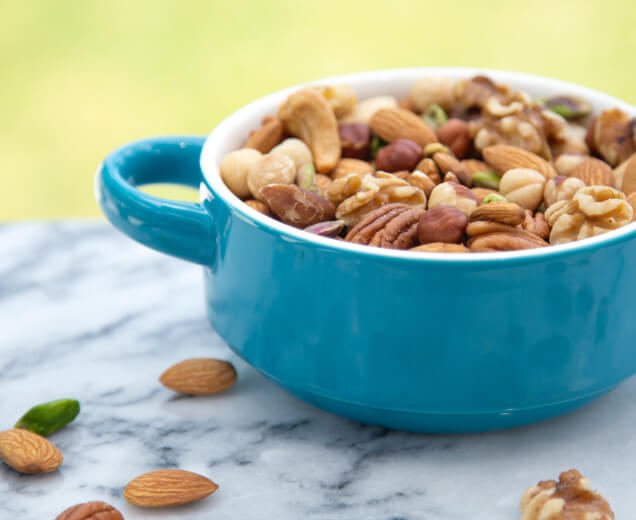
Research shows snacks provide about 25% of daily calories and a large proportion come from desserts, sugar-sweetened beverages, sweets and salty snacks. These are foods that are recommended in limited amounts in U.S. dietary guidelines.[1] In a more recent study[2] looking at overall diet from 1999 to 2016, there was a significant decrease in the percentage of calories from low-quality carbohydrates and significant increases in calories from high-quality carbohydrates, polyunsaturated fat and plant protein. However, despite these changes, low-quality carbohydrates and saturated fat intake remain higher than recommended.
When it comes to the role of nuts in the diet, approximately 60% of the nuts consumed are as snacks.[3] In a study[4] that looked at data from the 2009-2012 NHANES, researchers found that replacing between-meal snacks with tree nuts, on a per calorie basis, led to more nutrient-rich diets that were lower in empty calories and sodium and had more favorable fatty acid profiles. The researchers concluded that even a partial replacement, not counting already nutrient-rich snacks, had a significant positive effect on the quality of the diet.
All of the evidence to date continues to support the recommendation that nuts 1) can and should play an important role in the American diet; 2) help to improve overall health, providing nutrients of concern including potassium, calcium and fiber; and 3) reduce the risk for various chronic diseases.
—
[1] Dunford, E.K., B.M. Popkin, 2017. Disparities in snacking trends in US adults over a 35-year period from 1977 to 2012. Nutrients 9(8), 809; https://doi.org/10.3390/nu9080809.
[2] Shan, Z., C.D. Rehm, G. Rogers, M. Ruan, D.D. Wang, F.B. Hu, D. Mozaffarian, F.F. Zhang, S.N. Bhupathiraju, 2019. Trends in dietary carbohydrate, protein, and fat intake and diet quality among US adults, 1999-2016. JAMA. 322(12):1178-1187.
[3] King, J.C., J. Blumberg, L. Ingwersen, M. Jenab, K.L. Tucker, 2008. Tree nuts and peanuts as components of a healthy diet. J. Nutr. 138: 1736S-1740S.
[4] Rehm, C., A. Drewnowski, 2017. Replacing American snacks with tree nuts increases consumption of key nutrients among U.S. children and adults: results of an NHANES modeling study. Nutrition Journal. 16:17. DOI 10.1186/s12937-017-0238-5
Link
Diabetes
Diabetes research on tree nuts
There are three main types of diabetes: Type 1, Type 2 and gestational diabetes (diabetes while pregnant).
Type 1 Diabetes
Type 1 diabetes is thought to be caused by an autoimmune reaction (the body attacks itself by mistake) that stops the body from making insulin. Approximately 5-10% of the people who have diabetes have Type 1. Currently, no one knows how to prevent Type 1 diabetes.
Type 2 Diabetes
With Type 2 diabetes, the body doesn’t use insulin well and can’t keep blood sugar at normal levels. About 90-95% of people with diabetes have Type 2. It develops over many years and is usually diagnosed in adults (but more and more in children, teens, and young adults). Type 2 diabetes can be prevented or delayed with healthy lifestyle changes such as weight loss, eating a healthy diet and being active.
In a systematic review and meta-analysis of 40 randomized, controlled trials [1], consumption of nuts significantly decreased insulin resistance/HOMA-IR and fasting insulin. The findings suggest that nut consumption may play a role in improving insulin sensitivity and thereby, possibly delaying the development and progression of Type 2 diabetes.
In one of the largest studies to date on nuts and diabetes [2], researchers tried to determine if nuts improve glycemic control in non-insulin dependent diabetes, as assessed by HbA1c (a marker of blood sugar control over the previous three months), and also improve markers of cardiovascular health. Adults with diabetes are two to four times more likely to die from heart disease than adults without diabetes.
The study results showed that approximately two ounces of nuts a day, as a replacement for carbohydrate foods, can improve glycemic control and blood lipids in those with Type 2 diabetes. According to the lead researcher, the improvements in blood glucose control and blood lipid levels that can be achieved by dietary and lifestyle changes are significant and could make a substantial contribution to the treatment of those with Type 2 diabetes.
Findings from another systematic review and meta-analysis [3] with 16 studies and 1,041 subjects suggest that consuming nuts might be beneficial in lowering total cholesterol and triglyceride concentrations in those with Type 2 diabetes. Furthermore, the researchers concluded that tree nut and peanut supplementation could be considered as a part of a healthy lifestyle in the management of blood lipids in patients with Type 2 diabetes.
Gestational Diabetes
Eating a healthy diet which includes nuts and seeds, seafood, fruits and vegetables is associated with reduced risk for gestational diabetes (GD) and GD-associated complications compared to Westernized diets, especially among overweight or obese women. [4]
—
[1] Tindall, A.M., E.A. Johnston, P.M. Kris-Etherton, K.S. Petersen, 2019. The effect of nuts on markers of glycemic control: a systematic review and meta-analysis of randomized controlled trials. Am J Clin Nutr. 109:297–314.
[2] Jenkins, D.J.A., C.W.C. Kendall, B. Lamarche, M.S. Banach, K. Srichaikul, E. Vidgen, S. Mitchell, T. Parker, S. Nishi, B. Bashyam, R.J. de Souza, C. Ireland, S.C. Pichika, J. Beyene, J.L. Sievenpiper, R.G. Josse, 2018. Nuts as a replacement for carbohydrates in the diabetic diet: a reanalysis of a randomised controlled trial. Diabetologia. 61(8):1734-1747.
[3] Xia, J.Y., J.H. Yu, D.F. Xu, C. Yang, H. Xia, G.J. Sun, 2021. The effects of peanuts and tree nuts on lipid profile in Type 2 diabetic patients: A systematic review and meta-analysis of randomized, controlled-feeding clinical studies. Front. Nutr. https://doi.org/10.3389/fnut.2021.765571
[4] H. Al Wattar, B., J. Dodds, A. Placzek, L. Beresford, E. Spyreli, A. Moore, F.J. Gonzalez Carreras, F. Austin , N. Murugesu, T.J. Roseboom, M. Bes-Rastrollo, G.A. Hitman, R. Hooper, K.S. Khan, S. Thangaratinam, for the ESTEEM study group, 2019. Mediterranean-style diet in pregnant women with metabolic risk factors (ESTEEM): A pragmatic multicentre randomised trial. PLoS Med 16(7): e1002857. https://doi.org/10.1371/journal. pmed.1002857
Link
Gut Health
Gut health research on tree nuts
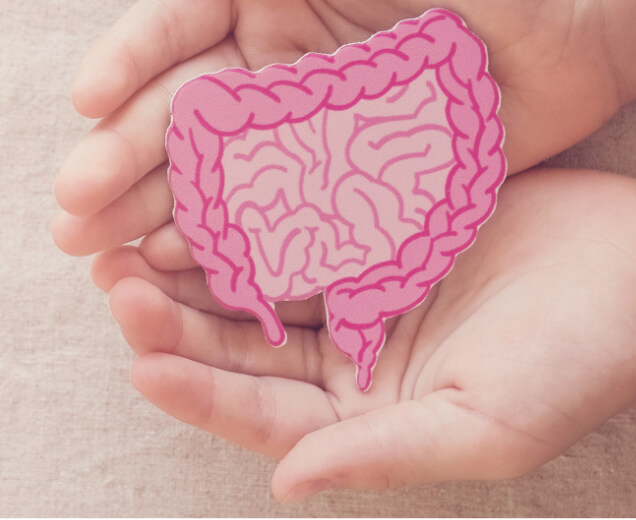
Gut health is the balance of microorganisms that live in the digestive tract. These bacteria, yeasts, and viruses are also called the “gut microbiome” or “gut flora.” Maintaining a healthy gut contributes to better overall health and immune function. Nuts appear to have a potential impact on digestive health and the gut microbiome[1].
In recent years there has been growing interest in the gut microbiome and the potential impact it may have on a variety of diseases. Preliminary research has shown that tree nuts contain prebiotic properties such as dietary fiber and polymerized polyphenols. These compounds are metabolized by gut microbiota to form bioactive molecules that may favorably impact the gut microbiome and provide health benefits[2],[3].
Diverticular disease is a common and costly digestive disorder in Western countries. In the past, people with small pouches (diverticula) in the lining of the colon were told to avoid nuts, seeds and popcorn. It was thought that these foods could lodge in diverticula and cause inflammation (diverticulitis). However, researchers at Harvard showed that these foods did not increase the risk of developing diverticulosis, diverticulitis, or diverticular bleeding. Moreover, they found an association between a diet rich in nuts or popcorn and a decreased risk of diverticulitis[4].
—
[1] Singh, R.K., H.‑W. Chang, D. Yan, K.M. Lee, D. Ucmak, K. Wong, M. Abrouk, B. Farahnik, M. Nakamura, T.H. Zhu, T. Bhutani, W. Liao, 2017. Infuence of diet on the gut microbiome and implications for human health. J Transl Med. 15:73 DOI 10.1186/s12967-017-1175-y.
[2] Rosas, Jr., M., C. Liu, C. O’Mealy, E. Forsberg, S. Hooshmand, M. Kern, M.Y. Hong, 2020. The effects of mixed nut consumption on the microbiome in healthy adults. Current Developments in Nutrition. 4 (Suppl. 2): 1580. https://doi.org/10.1093/cdn/nzaa062_037.
[3]Lamuel-Raventos, R.M., M.-P. St. Onge, 2017. Prebiotic nut compounds and human microbiota. Crit Rev Food Sci Nutr. 57(14): 3154–3163.
[4] Strate, L.L., Y.L. Liu, S. Syngal, W.H. Aldoori, E.L. Giovannucci, 2008. Nut, corn, and popcorn consumption and the incidence of diverticular disease. JAMA. 300(8):907-914.
Link
Metabolic Syndrome
Metabolic syndrome research on tree nuts
Metabolic syndrome is a cluster of risk factors shown to be associated with mortality, a twofold increased risk for cardiovascular disease, and a fivefold increased risk for type 2 diabetes. While the diagnostic criteria can vary, the presence of any three of the five following conditions results in a diagnosis of metabolic syndrome: abdominal obesity, elevated triglycerides, low HDL cholesterol (the good cholesterol), high blood pressure, and hyperglycemia (high blood sugar levels). Based on National Health and Nutrition Examination Surveys (NHANES) data [1], by 2012, more than a third of all US adults met the definition and criteria for metabolic syndrome.
As a result, there has been an increased interest in the potential effects of tree nuts on metabolic syndrome. Researchers at Vanderbilt University Medical Center studied 84 men and women, ages 22-36, most of whom were either overweight or obese and had at least one metabolic syndrome risk factor at baseline [2]. Participants consumed either one ounce of mixed unsalted tree nuts or one ounce of a carbohydrate-rich snack twice daily. The results suggest daily tree nut consumption reduces the risk of metabolic syndrome by improving waist circumference, lipid biomarkers, and/or insulin levels, without requiring calorie restriction, in young adults.
A follow-up study [3] showed those who consumed tree nuts versus the carbohydrate-rich snack also had more favorable dietary, plasma and adipose tissue fatty acid profiles that could aid in preventing the development of excess body fat and cardiometabolic disease states, including metabolic syndrome.
In another study [4], researchers looked at 14,386 men and women (19+ years) participating in the 2005-2010 NHANES and compared risk factors for heart disease and metabolic syndrome of tree nut consumers versus those who did not consume tree nuts. Tree nut consumption was associated with lower body mass index, systolic blood pressure, insulin resistance and higher levels of HDL-cholesterol. In addition, tree nut consumers were 25% less likely to be obese and 21% less likely to have an elevated waist circumference than those who did not consume tree nuts.
More recent NHANES data from 2011-2018 [5] showed that while most adults do not consume the recommended levels of tree nuts, modest consumption was associated with decreased prevalence of cardiovascular disease and CM risk factors and improvement for some health outcome measures.
—
[1] Moore, J.X., N. Chaudhary, T. Akinyemiju. Metabolic syndrome prevalence by race/ethnicity and sex in the United States, National Health and Nutrition Examination Survey, 1988–2012. Prev Chronic Dis. 2017;14:160287. doi: http://dx.doi.org/10.5888/pcd14.160287external icon.
[2] Sumislawski, K., A. Widmer, R.R. Suro, M.E. Robles, K. Lillegard, D. Olson, J.R. Koethe, H.J. Silver, 2023. Consumption of tree nuts as snacks reduces metabolic syndrome risk in young adults: a randomized trial. Nutrients. 15(24):5051. doi: 10.3390/nu15245051.
[3] Widmer, A., K. Lillegard, K. Wood, M. Robles, R. Fan, F. Ye, J.R. Koethe, H.J. Silver, 2025. Consumption of tree nuts as snacks stimulates changes in plasma fatty acid profiles and adipose tissue gene expression in young adults at risk for metabolic syndrome. Clinical Nutrition. (48)25 – 34. https://doi.org/10.1016/j.clnu.2025.03.002.
[4] O’Neil, C.E., V.L. Fulgoni, T.A. Nicklas, 2015. Tree Nut consumption is associated with better adiposity measures and cardiovascular and metabolic syndrome health risk factors in U.S. Adults: NHANES 2005–2010. Nutrition Journal. 14:64 doi:10.1186/s12937-015-0052-x. http://www.nutritionj.com/content/14/1/64
[5] Lopez-Neyman, S.M., N. Zohoori, K.S. Broughton, D.C. Miketinas, 2023. Association of tree nut consumption with cardiovascular disease and cardiometabolic risk factors and health outcomes in US adults: NHANES 2011-2018. Curr. Dev. Nutr. 7(10):102007. https://doi.org/10.1016/j.cdnut.2023.102007
Link
Nutrient and Bioactive Composition
Nutrient & bioactive composition research on tree nuts
Nuts contain a number of bioactives and health-promoting components[1]. In addition to being a rich source of several essential vitamins and minerals, fatty acids and fiber, tree nuts provide an array of phytochemicals that may affect the promotion of human health. Many of these bioactive components need to be fully identified and characterized in tree nuts. However, broad classes include carotenoids, phenolic acids, phytosterols, and polyphenolic compounds such as flavonoids, proanthocyanidins, and stilbenes.
While more research is needed, available evidence indicates that these phytochemicals are bioaccessible and bioavailable in humans[2]. This is important since these phytochemicals have been associated with a number of bioactivities, including antioxidant, anti-inflammatory, antiviral, chemopreventive, and hypocholesterolemic actions that may help reduce the risk of cancer, cardiovascular disease, cognitive decline, asthma and inflammatory bowel disease, among others.
[1] Alasalvar, C., & Bolling, B., 2015. Review of nut phytochemicals, fat-soluble bioactives, antioxidant components and health effects. British Journal of Nutrition, 113(S2), S68-S78.
[2] Bolling, B.W., C.-Y. O. Chen, D.L. McKay, J.B. Blumberg, 2011. Tree nut phytochemicals: composition, antioxidant capacity, bioactivity, impact factors. A systematic review of almonds, Brazils, cashews, hazelnuts, macadamias, pecans, pine nuts, pistachios and walnuts. Nutrition Research Reviews 24:244–275.
Link
Reproductive Health
Reproductive health research on tree nuts
It is estimated that one in seven couples worldwide struggle with infertility, but it is often thought of as only a woman’s condition. However, male factors are responsible for 40–50% of these cases.
Human semen quality has declined in industrialized countries. Pollution, smoking, and the consumption of a Western-style diet are all hypothesized as potential causes. In one study, researchers found the inclusion of nuts in a Western-style diet significantly improved the total sperm count and the vitality, motility, and morphology of the sperm [1].
Subsequent research has shown a close association between the alteration of specific sperm DNA methylation signatures and semen quality. In one study [2], researchers evaluated the effect of tree nut consumption on sperm DNA methylation patterns in healthy individuals reporting eating a Western-style diet. The results showed adding nuts to a regular Western-style diet subtly impacts sperm DNA methylation in specific regions, demonstrating that there are some sperm epigenome regions that could respond to diet.
According to the Center for Disease Control and Prevention (CDC), reproductive health can encompass a variety of issues besides infertility, including maternal and paternal health and infant health. Recent studies have shown that maternal suboptimal nutrition and high stress levels are associated with adverse fetal and childhood neurodevelopment. In a randomized clinical trial [3], researchers found maternal structured lifestyle interventions during pregnancy based on a Mediterranean diet or mindfulness-based stress reduction, significantly improved child neurodevelopmental outcomes at age 2 years.
—
[1] Salas-Huetos, A., R. Moraleda, S. Giardina, E. Anton, J. Blanco, J. Salas-Salvadó, M. Bulló, 2018. Effect of nut consumption on semen quality and functionality in healthy men consuming a Western-style diet: a randomized controlled trial. Am J Clin Nutr. 108:953–962.
[2] Salas-Huetos, A., E.R. James, J. Salas-Salvadó, M. Bulló, K.I. Aston, D.T. Carrell, T.G. Jenkins, 2021. Sperm DNA methylation changes after short-term nut supplementation in healthy men consuming a Western-style diet. Andrology. 9(1):260-268.
[3] Crovetto, F., A. Nakaki, A. Arranz, R. Borras, K. Vellvé, C. Paules, M.L. Boutet, S. Castro-Barquero, T. Freitas, R. Casas, A. Martín-Asuero, T. Oller Guzmán, I. Morilla, A. Martínez-Àran, A. Camacho, M. Pasqual, M. Izquierdo Renau, Ó. J. Pozo, A. Gomez-Gomez, R. Estruch, E. Vieta, F. Crispi, E. Gratacós, 2023. Effect of a Mediterranean diet or mindfulness-based stress reduction during pregnancy on child neurodevelopment: A prespecified analysis of the IMPACT BCN Randomized Clinical Trial. JAMA Network Open, 6(8), e2330255. https://doi.org/10.1001/jamanetworkopen.2023.30255
Link
Satiety
Satiety research on tree nuts
Both epidemiological and clinical mixed-nut studies have shown the beneficial impact of nuts on weight and satiety. Specifically, research has shown that nut consumption is not associated with higher body weight.
In a recent systematic review and meta-analysis of 55 clinical nut-feeding trials with and without dietary substitution instructions, researchers were trying to determine if there were any changes in body weight or composition. Based on the studies included in the meta-analysis, nut consumption did not result in changes in body weight, body mass index (BMI) or waist circumference in studies with or without substitution instructions. Nut consumption may result in decreased body fat when substitution instructions are used. These results suggest that nuts may be consumed, even in large quantities, without changes in body weight or body composition.[1]
In another study[2], researchers found changes in nut consumption can influence long-term weight change in both men and women. The results showed that increasing daily consumption of nuts is associated with less long-term weight gain, a lower risk of moderate weight gain, and a lower risk of obesity in adults. Incorporating nuts as part of a healthy dietary pattern by replacing 0.5 servings/day of less healthful foods with nuts, may be a simple strategy for the primary prevention of obesity.
Some possible reasons nuts don’t seem to lead to weight gain include: (1) the satiety value of nuts[3]; (2) incomplete fat absorption[4]; and (3) some nuts are actually less caloric than originally thought[5],[6],[7],[8].
—
[1] Guarneiri, L.L., J.A. Cooper, 2020. Intake of Nuts or Nut Products Does Not Lead to Weight Gain, Independent of Dietary Substitution Instructions: A Systematic Review and Meta-Analysis of Randomized Trials. Adv Nutr. 00:1–18.
[2] Liu, X., Y. Li, M. Guasch-Ferre, W.C. Willett, J.-P. Drouin-Chartier, S.N. Bhupathiraju, D.K. Tobias, 2019. Changes in nut consumption influence long-term weight change in US men and women. bmjnph Epub ahead of print: September 25. doi:10.1136/bmjnph-2019-000034.
[3] McArthur, B.M., R.D. Mattes, R.V. Considine, 2018. Mastication of nuts under realistic eating conditions: implications for energy balance. Nutrients. 10(6), 710; https://doi.org/10.3390/nu10060710.
[4] Mattes, R.D., P.M. Kris-Etherton, G.D. Foster, 2008. Impact of peanuts and tree nuts on body weight and healthy weight loss in adults. J. Nutr. 138: 1741S-1745S.
[5] Baer, D.J., J.A. Novotny, 2019. Metabolizable energy from cashew nuts is less than that predicted by Atwater factors. Nutrients. 11, 33; doi:10.3390/nu11010033.
[6] Baer, D., S. Gebauer, J. Novotny, 2016. Walnuts consumed by healthy adults provide less available energy than predicted by the Atwater Factors. J Nutr. 146:1–5.
[7] Novotny, J.A., S.K. Gebauer, D.J. Baer, 2012. Discrepancy between the Atwater factor predicted and empirically measured energy values of almonds in human diets. Am J Clin Nutr. 96:296–301.
[8] Baer, D.J., S.K. Gebauer, J.A. Novotny, 2011. Measured energy value of pistachios in the human diet. British Journal of Nutrition. 107(1):120-125.
Link