
Archive

Tree Nuts: The Salad Hero! 

As we head into summer, salads are at the forefront of our minds! There’s so much wonderful produce available lighter meals just seem right. Whether you’re a Caesar addict or love a good grainy salad, nuts bring an extra boost of nutrition and crunch to any salad, as well as sustenance to keep your energy levels up throughout the day.

Think of a Niçoise scattered with toasted sliced almonds, a wedge dotted with roasted walnuts or a Caesar with pecans crumbled into the breadcrumbs. There are so many ways to bring the joy of nuts to your salad bowl, and ramp it up a notch in flavor, texture and health. 

Here are five tips to get your creative juices started:

Keep it class with a Waldorf Salad – The Waldorf is making a comeback and the mixture of walnuts, apples, celery and grapes deliver a meal that is fresh, fruity and light. You could use any nut in this apple, celery and grape salad recipe!

Pair fruit and nuts together – Strawberries are a common addition to salads this time of year, not to mention other berries and stone fruit. To get the most flavor, select fruit you can smell and that gives just a little when you squeeze them. Strawberries are lovely marinated in a little balsamic to bring out their flavor. You can add them to any greens and scatter with fresh ricotta. This recipe features pecans and berries, or try this one using pistachios rolled up in a ball of goat cheese, for a French twist.

But why stop at strawberries? Try blackberries with spinach and almonds, blueberries with arugula and goat cheese or raspberries with mixed greens and cucumber. And then there’s our luscious stone fruit – sliced peaches or nectarines over greens, with toasted nuts of any kind, just shouts summer. Here’s one with arugula and almonds or a grilled peach salad with pecans.

Go all in on grains – Make your salad a complete meal with the grains you love, lots of chopped vegetables, a splash of olive oil and lemon and a scattering of any nut! You could use quinoa, barley, rice, farro or any cooked grains. Cook a batch over the weekend and separate into meal portions to freeze for when you are ready during the week for your grain and nut boost! Try this one using hazelnuts that is light and bright for a warm summer day, or a farro and almond salad that is sure to keep you energized!

Make it a wrap – Whether you fill a lettuce leaf with prawns and noodles as in this classic Sang Choy Bow, lay out the makings for a party with walnut larb lettuce wraps, or just put your salad in a tortilla to make a wrap, eating salad with your hands just seems right sometimes!

Keep things toasty with a warm salad – If you’re after a warmer salad, consider toasting tree nuts in a dry pan until golden and aromatic, then removing them from the heat and tossing your dressing into the hot pan, so it sizzles and absorbs the nut’s essence. Toss through some bitter greens like escarole, frisée and radicchio while still warm and crumble goat cheese on top. This is wonderful with macadamias, almonds, pistachios and hazelnuts.

The combinations are endless, so Go Nuts with your salads this summer!
The Great Outdoors…Better with a Side of Nuts

Whether you’re an extreme hiker, mountain biker, fisher, forager or just love picnics and camping, taking along some nuts can only enhance your time outdoors.  Filled with important nutrients that can provide energy and keep you full, tree nuts can be prepared in many delicious ways that work perfectly in an outdoor adventure.

Here are some ideas to get your creative juices going:

  1. Simply nuts – of course, the easiest way to enjoy tree nuts is to pack some in zip lock bags to tuck in your backpack.  But you can upgrade the experience by seasoning the nuts or adding dried fruit.  We have plenty of seasoning ideas in our recipe collection.
  2. Nut cookies – whether it’s a chewy breakfast cookie, a rich shortbread, or dippable Biscotti, sitting on a mountaintop or riverside with a beverage and a cookie is truly magical, and prepares you for the next leg of your journey.
  3. Nut burgers – These burgers can be made ahead of time, wrapped and then cooked on the campfire!  A delicious lunch or dinner to send you off to a blissful sleep under the stars.
  4. Frittata – A picnic or al fresco lunch just begs for a frittata, and adding nuts brings a wonderful texture and flavor.  They can be enjoyed cold or warm out of the oven for a back yard family feast!
  5. Breakfast – Take some muffins or a nourishing Grain Bowl on the road to get your day off to the right start!
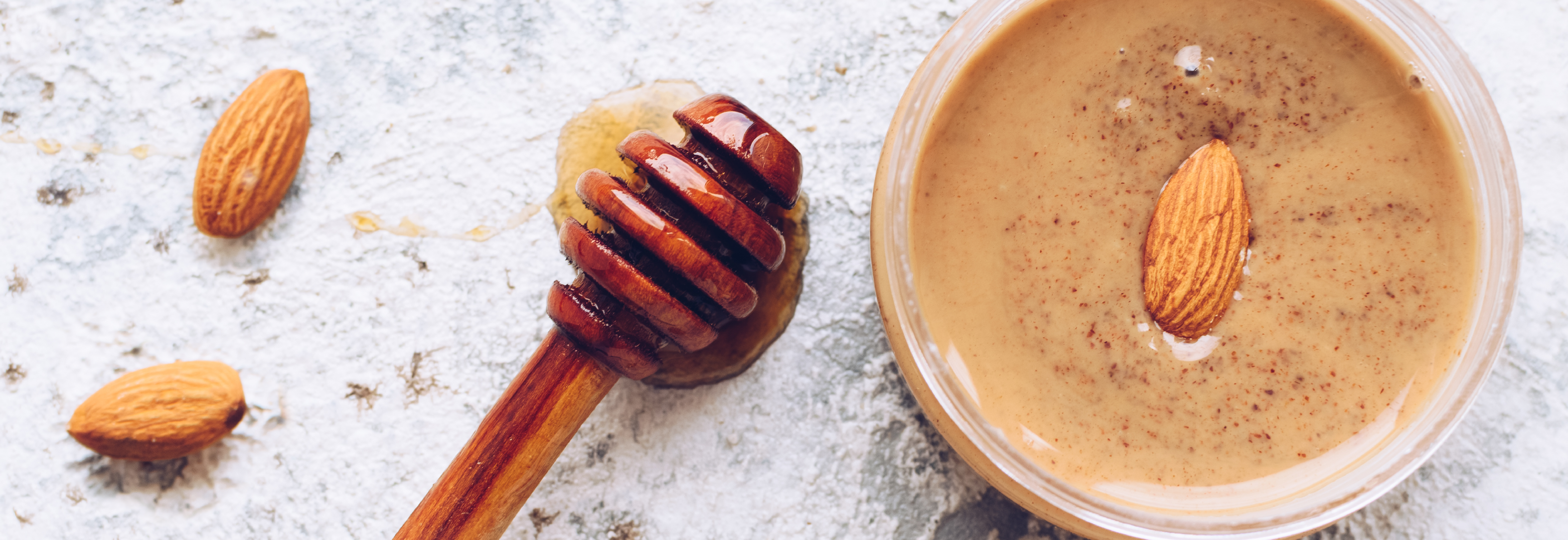
  6. Nut butter – If you’re feeling tired, take a spoonful of nut butter with honey for a quick and lasting lift.

Wishing you a happy and safe summer season, enjoying the wonders of nature!

The Global Nutrition Powerhouse – Nuts!

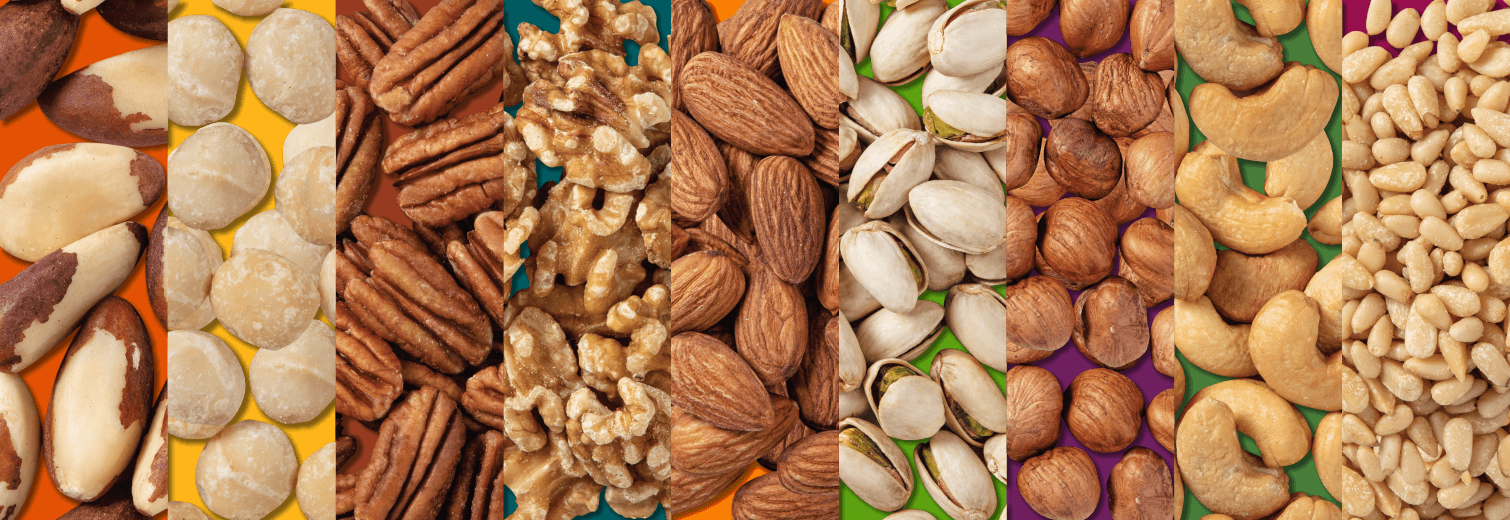
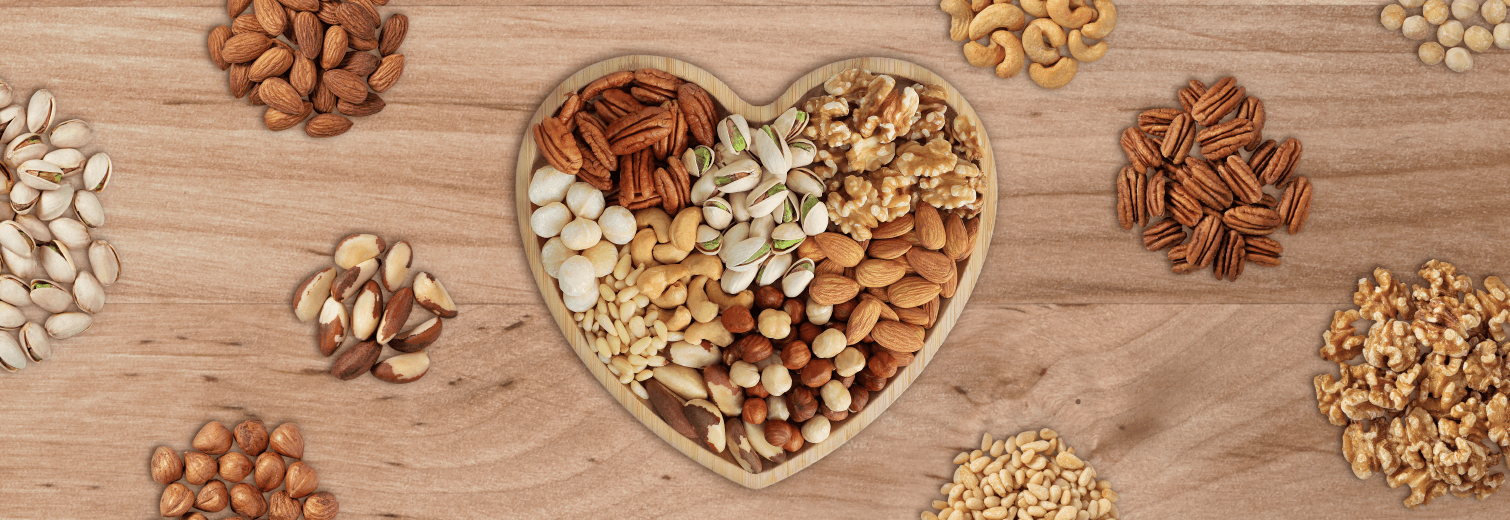
Throughout history nuts have played a significant role in the diets and health of cultures around the world and have formed the staples of many dishes intrinsic to their cuisines. From sustaining explorers to being featured in celebrations, nuts have enjoyed a universal appeal. Let’s have a look at the origins of some tree nuts and classic ways they can inspire us in our daily nut creations:

Almonds – Mentioned in the bible and Greek Mythology, almond history mainly revolves around the Mediterranean and particularly Spain. From soups like Ajo Blanco, where almonds give a silky creaminess, to a rich Romesco Sauce from the Catalan region, where almonds combine with roasted peppers and spices to make a delicious addition to fish and other dishes. And a tapas platter would be incomplete without some paprika spiced Marcona almonds.

Brazil Nuts – Grown mainly in the lowland Amazon rainforests, Brazil nuts are native to Southern American cuisine. Brazil nut trees sometimes live 500 years or more and grow up to 165 feet. Many organizations work tirelessly to preserve the forests where these valuable selenium-rich nuts grow, supporting the livelihoods of families reliant on their harvest. Many from the region simply slice the nut to toast and toss with herbs as a healthy protein rich snack, but in Peru, their Brazil Nut turrón will rival any Spanish or Italian equivalent.

Cashew Nuts – Though most associate cashew nuts with India, the nut actually hails from South America. Portuguese colonists were responsible for introducing the nut to West Africa and India in the 16th Century, and now the nut is commonly used in South Asian cuisine. Cashews are used whole for garnishing sweets, curries, stir fries, or Sang Choy Bow, or ground into a paste that forms a base of sauces for curries (e.g., korma).

Hazelnuts – A symbol of wisdom, fertility and knowledge, the hazelnut has been found in writings dating back centuries from China to Greece. Originally believed to have been from Asia minor, the nut spread all over Europe, particularly embraced by countries such as Turkey and Italy. One traditional Turkish dish featuring hazelnuts is Bafra, which every home makes at celebrations. It’s simply a thin yeast dough sprinkled with sugar, hazelnuts and raisins, rolled up into a cylinder and baked. You could just use filo pastry to make your own simpler version. In Italy, Torta Nocciola can be found in bakeries everywhere, and farmers take their abundance of hazelnuts to local oil producers to make hazelnut oil, which is wonderfully aromatic on salads.

Macadamias – Contrary to popular belief, macadamias are actually native to Australia, being one of the main forms of sustenance for indigenous Australians on walkabouts. The tree was, however, first commercially harvested in Hawaii. Being a relatively “new” discovery, most recipes featuring macadamias are modern and creative, making use of the creamy, crisp texture and buttery flavor. They make a wonderful butter replacement in shortbread, and macadamia crusted fish appears on menus around the world.

Pecans – The only tree nut actually native to America is the pecan, and it is a species of the hickory tree.  Pecan use dates back to the 1500’s where it was found along riverbeds in the south east US and northern Mexico, particularly around the Mississippi region. It was a staple of the pre-colonial American diet, being used in Fall and Winter and often used to make a nut milk, or soups and breads. Kanuchi is a Cherokee soup in which pecans are pureed with salt and water and usually topped with roasted squash.  Pecan pie is one of the most famous American desserts, but pecans are now widely used in salads, cheese boards, muffins and just as a delicious snack.

Pistachios – A relative of the cashew, the pistachio originated in the Middle East, and is mentioned in the book of Genesis. Historically the nut was savored by the wealthy and royalty, and it wasn’t until after WWII that the pistachio became more mainstream. While it was still considered a delicacy in France and countries north of the alps, Italy found a way to incorporate the nut in their cuisine, from delicate cookies, gelato and even as a pizza topping.

Walnuts – Walnuts are one of the oldest food trees known to man, dating back to 7,000 BC. Once named Juglans regia, “Jupiter’s royal acorn,” historical records suggest the nut came from Persia where it was saved for royalty. A classic Persian dish is Fesenjan, featuring a walnut and pomegranate stew with chicken. In the Mediterranean they are intrinsic to many dishes, from an Italian walnut sauce for pasta, to Greek Walnut bread.

So, globalize your kitchen, expand your culinary repertoire and Go Nuts!

Go Nuts for Heart Month

This month marks the 57th year the nation dedicates the month of February to raising awareness and highlighting the importance of heart health.  According to the American Heart Association (AHA), heart disease continues to be the greatest health threat to Americans and is still the leading cause of death worldwide, as reported in their Heart Disease and Stroke Statistics – 2021 Update.

During American Heart Month, the AHA and other organizations reinforce the importance of heart health and the need for more research and efforts to ensure that millions of people live longer and healthier. At the International Tree Nut Council Nutrition Research and Education Foundation, we support the work of heart health organizations with research and education (nuthealth.org.)

Listed below are two of the AHA diet and lifestyle recommendations for preventing and managing cardiovascular disease, and tips on how tree nuts can play a role in your own heart health.

  1. Use up at least as much calories as you take in:  

With the goal of maintaining a healthy weight range, we need to ensure we’re getting enough physical activity to balance our calorie intake.  The recommendations are for at least 150 minutes of moderate exercise each week.  This doesn’t mean you have to run or visit the gym every day, just taking the stairs instead of the elevator, or parking further away from your destination can count! 

Tree nuts go hand-in-hand with fitness. They promote satiety and can help curb food cravings. They’re a simple, convenient snack to take on a hike, a bike ride, or even a day at the beach.  Add nuts to breakfast to help curb those mid-morning slumps.  We have lots of ideas here for some nut-inspired breakfasts.

  • Eat an overall healthy dietary pattern:

The AHA recommends a diet that emphasizes:

  • a wide variety of fruits, vegetables and whole grains,
  • healthy sources of protein such as nuts, legumes and fish,
  • unsaturated fats – found in nuts, olive oil, avocado and non-tropical vegetable oils,
  • minimizing added sugars and salt,
  • and limiting processed foods.

Tree nuts are the ultimate whole food. You can use nut butter instead of mayonnaise on your sandwiches; use ground nut flour for cakes; and season or roast nuts for snacking, rather than chips.

Check out a few more ideas for making your diet more hearth healthy with nuts:

  • Use ground nuts as thickener for soups and casseroles.
  • Add nuts to salads rather than cheese.
  • Boost your smoothie with a healthy dose of tree nuts.
  • Enjoy an Italian pasta or pizza dish with a nut-based sauce.

Here’s to caring for our own hearts and those of our loved ones! 

The Nutty Chef