Archive

TOP FEMALE CHEFS SHARE TIPS FOR COOKING WITH NUTS + NUT WINE PAIRINGS

Cooking with Walnuts and Pecans is a Family Tradition

Catelli’s, Geyserville, CA

Domenica Catelli

Domenica Catelli is a highly accomplished chef, restaurateur, and television personality with deep culinary roots in Sonoma County. Known for her innovative, healthy approach to cooking, Domenica has earned national acclaim, making frequent appearances as a judge on Iron Chef America and guest spots on CBS News, Oprah and Friends, and Dr. Oz. She has also served as a national spokesperson for the Organic Trade Association and represented major brands like Safeway’s O Organics.

What is your first tree nut memory?

My Nonnie always had bowls of walnuts and Brazil nuts in their shells on the coffee table as “snacks,” with a nutcracker alongside them. I loved the ritual of cracking them open and discovering the delicious treasure inside. It felt simple and abundant at the same time — very much how I think about food today.

How do you like to use nuts in your restaurant and personal life?

At Catelli’s, I love using local nuts whenever possible — for example, walnuts from Preston Farm & Winery here in Sonoma County. Nuts add texture, richness, and depth to both savory and sweet dishes.

In my personal cooking, I use nuts constantly — toasted over salads, blended into sauces, folded into baked goods, or crushed into gremolatas and pestos. They’re such a beautiful way to add nourishment and complexity without heaviness.

Are there any particular dishes you can tell us about that use nuts?

Our kale salad features toasted pecans, which add warmth and crunch against the bright greens.

I also make a walnut “cream” sauce that’s incredibly decadent and rich — yet completely dairy-free. When blended, walnuts create a silky texture that feels luxurious while still being wholesome.

Do you have any nut/wine pairing tips?

In general, I think about how the nut is prepared. Toasted nuts bring out warm, earthy flavors that pair beautifully with medium-bodied reds like Pinot Noir. Fresh or lightly toasted nuts in salads often work well with crisp whites that have good acidity.

Using Pistachios and Hazelnuts for Authentic Lebanese Dishes

Cristina Topham

Spread Kitchen, Sonoma, CA

Cristina’s professional culinary journey began in 1999 when she graduated from The French Culinary Institute in New York City, quit her Wall Street tech job, and cut her teeth behind the line with stints at Les Olivades in Paris, The Savoy in New York City, and Julia’s Kitchen in Napa. From catering to being a chef for 10 years in the superyacht industry, Cristina returned home to Northern California, and started Spread Catering in Sonoma, paying homage to her Lebanese roots. In 2022, Spread Catering became Spread Kitchen, a bustling restaurant which she describes as inspired Lebanese cooking with a California touch.

What is your first tree nut memory?

As a young child, I was often helping my Grandmother make Baklava with walnuts, Ma’amoul, a pistachio filled cookie with a buttery semolina dough scented with cinnamon and orange blossom, and traditional crescent cookies with almonds and pine nuts.  We always had bowls of nuts in the shell at home to snack on.

How do you like to use nuts in your restaurant and personal life?

We use nuts throughout our menu as they are an intrinsic ingredient in Lebanese cooking. For starters, I make a roasted red pepper dip called Muhammara, with walnuts and pomegranate molasses that we serve with veggies, pickles, olives and pita bread. My carrot and celery root soup is topped with a Dukkah mixture made of preserved lemon, dried plum, hazelnuts, coriander seed and cumin.  Fatayer, our hand pie, is filled with chard, onion, lemon and pine nuts. And we have a walnut and pistachio Baklava always on the menu.

We also sell a nut mixture, called Urfa, with roasted cashews, almonds and hazelnuts, spiced with Aleppo pepper, salt and sumac.

Do you have any wine pairing ideas for your dishes with nuts? For my roast pepper dip with the pomegranate molasses, I often recommend a Grenache.  Our wine list leans toward more acidic wines, and a Chenin Blanc pairs really well with dishes featuring nuts.

Chef Cristina Topham’s Walnut Muhammara Recipe

Smoky Roasted Red Pepper & Walnut Dip

By Chef Cristina Topham, Spread Kitchen

Yield: About 2 to 2½ cups (4–6 servings as an appetizer, or 10–12 tasting portions).

Ingredients:

  • 3 large red bell peppers
  • ⅔ cup fine fresh breadcrumbs
  • ⅓ cup walnuts, toasted lightly and finely chopped
  • 2 garlic cloves, minced and mashed to a paste with ½ teaspoon salt
  • 1 tablespoon pomegranate molasses
  • 1 teaspoon ground cumin
  • ½ teaspoon smoked paprika
  • ½ teaspoon Aleppo chili flakes
  • Fresh lemon juice, to taste
  • ½ cup extra-virgin olive oil

Method

  1. Roast the peppers: Place the red peppers directly over a gas flame or on a medium grill. Cook for 10–15 minutes, turning occasionally, until the skins are evenly charred and the flesh has softened.
  2. Steam and peel: Remove from heat and place in a bowl; cover tightly with plastic wrap or lid (or use a paper bag). Let steam until cool enough to handle. Scrape off charred skins and remove seeds. Do not rinse.
  3. Blend the dip: Place the peeled peppers in a food processor with all ingredients except the olive oil. Process to a rough paste, scraping down the sides to combine evenly.
  4. Finish: With the motor running, slowly drizzle in olive oil until the mixture becomes thick and creamy.
  5. Taste and adjust: Add more salt or lemon juice to balance flavor as desired.
  6. Serve: Spoon into a bowl and drizzle with olive oil. Serve with warm pita bread or fresh vegetables for dipping.

Notes

Roasted peppers can be prepared a day ahead and refrigerated. For a spicier version, increase Aleppo chili flakes to 1 teaspoon. Muhammara keeps for up to 5 days in the refrigerator, covered.

Serving Suggestions

  • Serve alongside hummus, labneh, or baba ghanoush as part of a mezze platter.
  • Spread on sandwiches or wraps for a smoky, tangy flavor boost.
  • Use as a topping for grilled meats, roasted vegetables, or seafood.

Creative Cooking With Nuts: Chef Jen Williams on Plant-Based Nut Creams with Cashews and Walnut Vinaigrettes

Jen Williams

Van Atta, Telluride, CO

A 2026 James Beard Award finalist and Chopped contestant, Jen has over 15 years professional cooking experience, Her culinary path has taken her through the Austin Hill Country to the fine dining scene of Chicago, to top kitchens in DFW. Opening restaurants and teaching the professional standards of hospitality are passions. Using her craft-honed skills, Jen loves to pass along “delicious knowledge” to career and home cooks alike. She is now based in Telluride serving modern American eclectic and classic cuisine in a speakeasy cocktail bar that is a favorite to locals and tourists alike.

When did you first discover the benefits of nuts?

I became a vegan many years ago for health reasons and relied heavily on nuts as a meat substitute. I found the texture, when cooked down, mimics meat and I was able to use them in so many applications, from pecan meatballs to faux cheese, and shaved on a microplane as a “finishing salt”.  Nuts such as toasted walnuts also brought a delightful umami earthiness.  I think most people underestimate the versatility of nuts across so many meal courses.

What are some of the ways you use nuts in your restaurant?

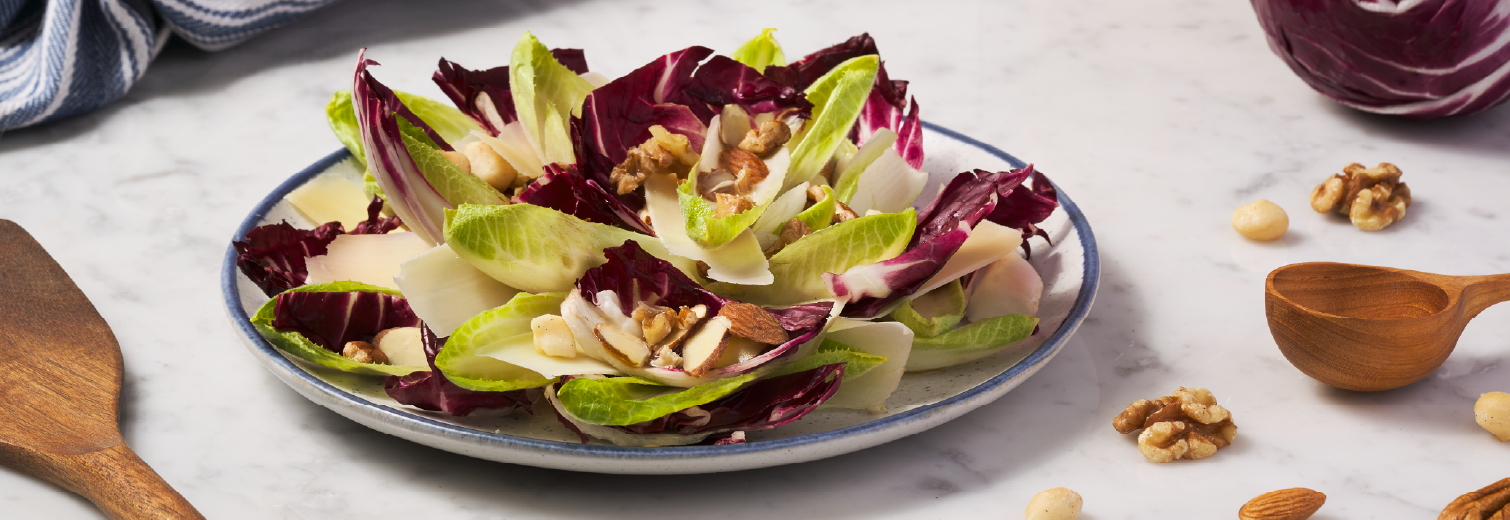
Right now, we have a Citrus and Endive Salad that walnuts are perfect on, and I use a walnut vinaigrette.  For desserts, I will often make a nut cream, often with cashews, where I soak the nuts overnight in water, then blend and strain until the desired texture.  I use this to make cheesecake and other pastries.  We are also serving white chocolate bonbons filled with cherries soaked in bourbon and a macadamia nut, where the rich sweet nut balances the bite of the bourbon.

Do you have a favorite wine pairing?

It really depends on the dish, but I’m always a fan of a picpoul, a French table wine that is mineral forward and acidic, which complements most nuts.

Elevating Pastries with Nuts: Chef Kristen Murray’s Almond, Pine Nut, and Hazelnut Desserts

Kristen D. Murray

Maurice, Portland, OR

Kristen’s culinary journey began amidst the vibrant flavors of her great aunt’s Southern California garden. Ripe fruits, fragrant herbs, and exquisite produce were the building blocks of her earliest desserts, kindling her passion for the art of pastry. Developing a personal style takes years and years to cultivate + explore. Working in fine-dining kitchens for over twenty years helped assist in her driving force to work with small producers, to become a custodian to her partnered farms and tight knit community. 

What is your first tree nut memory?  

Growing up in California, we always had almonds in shell, in a bowl with a cracker to snack on. Also, my grandmother’s best friend would send pecans from her tree in Texas- they were used in Nana’s Christmas pecan rolls… very special. 

How do you like to use nuts in your restaurant?

We make a dressing with hazelnut or walnut oil, lemon juice, plumped mustard seeds and a bit of honey with sea salt. It has the perfect light accent with great depth due to the nut oil.

Are there any particular dishes you can tell us about that use nuts?

Mainly my tarts: pear and pistachio tart and mango and pine nut tarte

Do you have any nut/wine pairing tips and ideas?

Chestnuts are lovely with Armagnac 

*With thanks to Les Dames D’Escoffier: Sonoma, a philanthropic organization dedicated to women in the food, beverage and hospitality world for introducing our two California chefs

Wintry Dishes to Go Nuts Over

It’s mid-winter and the ground is bursting with some wonderful vegetables and fruit that we often overlook. While we know we should eat more plant-based foods, meat-rich dishes often dominate in the winter. However, a dish of vegetables can be equally satisfying, and there is so much winter produce that just begs for some nuts to add healthy fats, protein, flavor and texture to main meals, sides or desserts.

Here are some ideas to get your own creative juices going:

Winter Greens – It’s time to explore a whole world of salad greens in winter – from bitter to delicate. For starters, there’s Castelfranco, related to radicchio, which is mild, crunchy and slightly bitter; lambs lettuce (mache), which is soft and delicate; and frisee, which adds a burst of texture and playful visuals.  Toss a mixture of leaves in a lively sherry vinaigrette, add some sliced navel oranges and shaved fennel, then scatter with toasted hazelnuts or pistachios and a shaving of parmesan.

Roots and Tubers – It just seems right that when you are in the mood for stews and comfort food, all those wonderful veggies are in season – parsnips, carrots, potatoes, beets, turnips, radishes, and celeriac (celery root). You can puree them to serve under a grilled fish fillet, steak or chicken; immerse them in a deep rich soup or casserole; shave them over winter salads; or just steam them to serve as a side. Tree nuts work so well with any method – think celeriac cut into ribbons and steamed to serve like pasta, tossed with toasted walnuts and basil. 

Carrot Soup is perfect with a lively Mediterranean nut crunch on top and steamed carrots welcome a dash of butter, honey and toasted sliced almonds. Chopped multi-colored radish can be sautéed with cashews, macadamias or pecans as a wonderful side dish, and parsnips added to your mashed potatoes add a rich depth – delicious with pine nuts and horseradish.

Beets come in all shapes and colors so here’s a Galette that is impressive and simple, and Borscht soup is delightful with a dollop of yogurt and mixed nuts.

Onions, Leeks and More – For soups, think French Onion, Potato and Leek, Pumpkin and Apple – all are so much more exciting with a mélange of your favorite roasted nuts. 

Spinach, Kale and Collard Greens – These nutrient-dense greens can find their way into so many dishes. Add them to soups or stews with nuts pureed into the mix for thickness and depth; steam and toss with butter, chopped nuts and pepper as a side; or encase in filo pastry with ricotta cheese and tree nuts for a delightful lunch.

The Sweet Touch – Citrus fruits are plentiful this time of year, and perfect for homemade juices and jams! This Flourless Orange Cake is a winner for all occasions, and stewed apples and pears with ice cream and crusted walnuts is a winter-perfect dessert! 

Make the most of those bright and beautiful pomegranate seeds in your salads and smoothies – any nut will enhance their unique flavor.  And their burst of flavor and texture is a wonderful after dinner treat in this chocolate walnut bark.

Happy New Year to everyone – we wish you a happy and healthy 2026!

One Pot Wonders with Tree Nuts

As the days get colder, there are few things more appealing than wrapping your hands around a big bowl of warm and delicious food! There are so many options – from Asian to Mediterranean, soups to grain bowls, meat rich or plant-based. And, nuts can play a vital role in the appeal and nutritional value in so many ways.

Below are some ideas to get your creative juices going!

Noodle bowls – Wander through the Asian section of a market and you’ll see a multitude of noodles, many gluten-free. Follow the cooking directions then immerse the noodles in a warm broth such as miso or chicken, add some shaved veggies, cooked meat or seafood, and scatter with toasted nuts such as macadamias or cashews. Try this pork, zucchini and walnut noodle bowl for some inspiration.

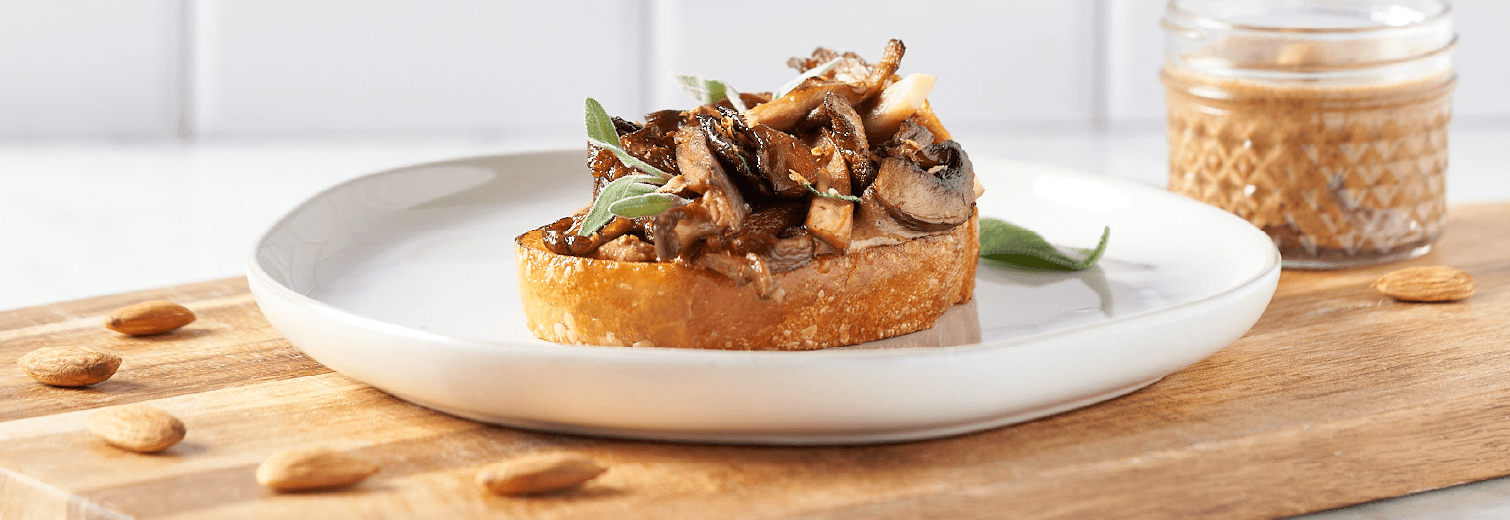
Pasta Bowls – Cook your favorite pasta, toss with olive oil, then begin your creation – prawns and peas with hazelnuts; zucchini and mint with pistachios and parmesan; tomato with mozzarella and walnut pesto;  smoked salmon, capers, dill and sliced almonds. And since fall is season of wild mushrooms, here is a recipe with the unique touch of Brazil nuts!

Grain bowls – All the rage at the moment as they are so versatile. There are so many grains to choose from – rice, barley, quinoa, faro, and legumes such as lentils. They are the perfect base for adding any cooked or raw vegetables, cooked meats and tree nuts. Here’s one with Red Quinoa and Kale with the crunch of hazelnuts, or a Black Bean and Faro Salad with Almonds.

Soups – If it’s chunky soups you like, such as a minestrone, a zesty spoon of pesto brings it to a new level. Try combining your favorite nuts and herbs to make your own designer pesto. And if it’s pureed soups you prefer, try this Mediterranean Carrot soup where nuts are the thickening agent as well as a bright burst on top.

Casseroles – If you prefer to throw a bowl in the oven and play until it’s done, try this Mac and Cheese with a twist of Pecan Breadcrumbs, or make vegetables the bowl, such as bell peppers or large zucchini so you can eat the bowl as well as the stuffing. Tip: mix chopped nuts with herbs and grated cheese before scattering on top. But how about just a pure veggie indulgence with this Roast Vegetable dish with a nut crumble, or a classic plant-based “meatloaf” – it really is endless.

We wish everyone a very happy Thanksgiving!

Squash and Tree Nuts—the Perfect Fall Pairing

It’s October and thoughts of Halloween spring to mind with those wonderful winter squash and pumpkins bursting onto the shelves. The huge variety offers us a multitude of recipe ideas, and all pair beautifully with tree nuts.

Like nuts, winter squash is rich in nutrients that support heart health, the immune system and diabetes management, among other health benefits. They are a great source of fiber, carotenoids (a precursor to vitamin A), magnesium, potassium, vitamins C, B6 and folate. And, surprisingly for such a dense, sweet and sustaining vegetable, they are fairly low in calories (around half the calories of potato).

So, aside from carving scary faces out of these beautiful gourds, here are some delicious ideas for preparing various squash with tree nuts:

Butternut Squash with Walnuts in Pasta – The most common of squash, butternut has a mild flavor and smooth texture and lends itself to many applications – roasted, grilled, steamed, grated and pureed. For a wonderful cool day pasta, sauté thin slices of butternut in olive oil until golden and tender, adding walnuts and sage in last few minutes. Toss with warm pasta and sprinkle shredded parmesan on top with a squeeze of lemon. Pine nuts make a delicious alternative!

Kabocha Squash Soup with Macadamias – Kabocha is great roasted, mashed like potatoes, grilled and grated raw. In Australia it is simply cut into wedges and added to the roasting pan with any baked dinner as well as often being used as side dish of puree. But it’s earthiness and intense color make it perfect for soups as well. In this recipe, macadamias are used to both thicken and decorate the soup and the two go perfectly together. Kabocha is also the perfect squash for curries, both Indian and Thai, especially with coconut milk and lime, finished with a sprinkling of cashews.

Delicata and Hazelnut Salad – This elongated pale creamy yellow squash with green lines, is one of the easiest to prepare. Roasting brings out its sweetness and the shape makes it ideal for stuffing, but many chefs love this squash for a warm winter salad. Simply slice, toss in oil and roast, adding nuts for the last five minutes. Prepare a winter green salad and toss with a mustardy vinaigrette, then add the squash and hazelnuts.

Stuffed Acorn Squash – Another great squash for roasting and stuffing, its flavor is perfect with grains such as wild rice or farro, and nuts such as almonds and pecans. Simply cut in half, scrape out the seeds and drizzle with some oil. Place in a casserole dish with ½ inch water. Cover with foil and roast 20-30 minutes or until nearly tender. Toss cooked rice or grains with nuts and herbs such as basil, sage or rosemary and place in the squash cavity, sprinkle with cheese, and roast 10 minutes more. This is a meal in itself and great for the holidays.

Honeynut and Pistachio Squash Cake – A hybrid of butternut and buttercup, this squash is becoming more and more common due to its rich and sweet taste, versatility and ease of preparation. And being a small squash, you don’t have to have a week’s menu plan when purchasing one. Because it is so dense and sweet, it’s the ideal squash for pumpkin cake or pie – just pick your favorite recipe and substitute with this little gem, then top with a crust of pistachios for a lively contrast.

Roasted Spaghetti Squash – Often overlooked in the squash section due to its color and unique texture, this squash is nature’s gift of noodles. Rich in vitamins A and C, potassium and magnesium, spaghetti squash is also low in carbohydrates and calories.

Simply cut in half, scrape out the seeds, brush with oil and season with salt and pepper, then place cut side down on a rack in an oven tray. Bake at 400° F for 30-40 minutes, then, when tender, fluff up strands with a fork. Add some extra olive oil or butter and a sprinkling of chopped roasted nuts, parmesan cheese and fresh herbs, and voila, it’s the ideal side dish or even light meal.